"Where the journey is hard, the reward is often deeper": Tamara's volunteer journey in Vanuatu
Water. We all need it. In Aotearoa New Zealand, many of us turn on the tap without a second thought. Clean, safe water flows when we need it for drinking, cooking, washing, and living.
In Lakatoro, Malampa Province in Vanuatu, it is very different. Water only runs for two hours in the morning and two hours in the evening. Families plan their entire days around it, filling buckets in the morning, carefully storing what they can to last. But it doesn’t have to be like this.
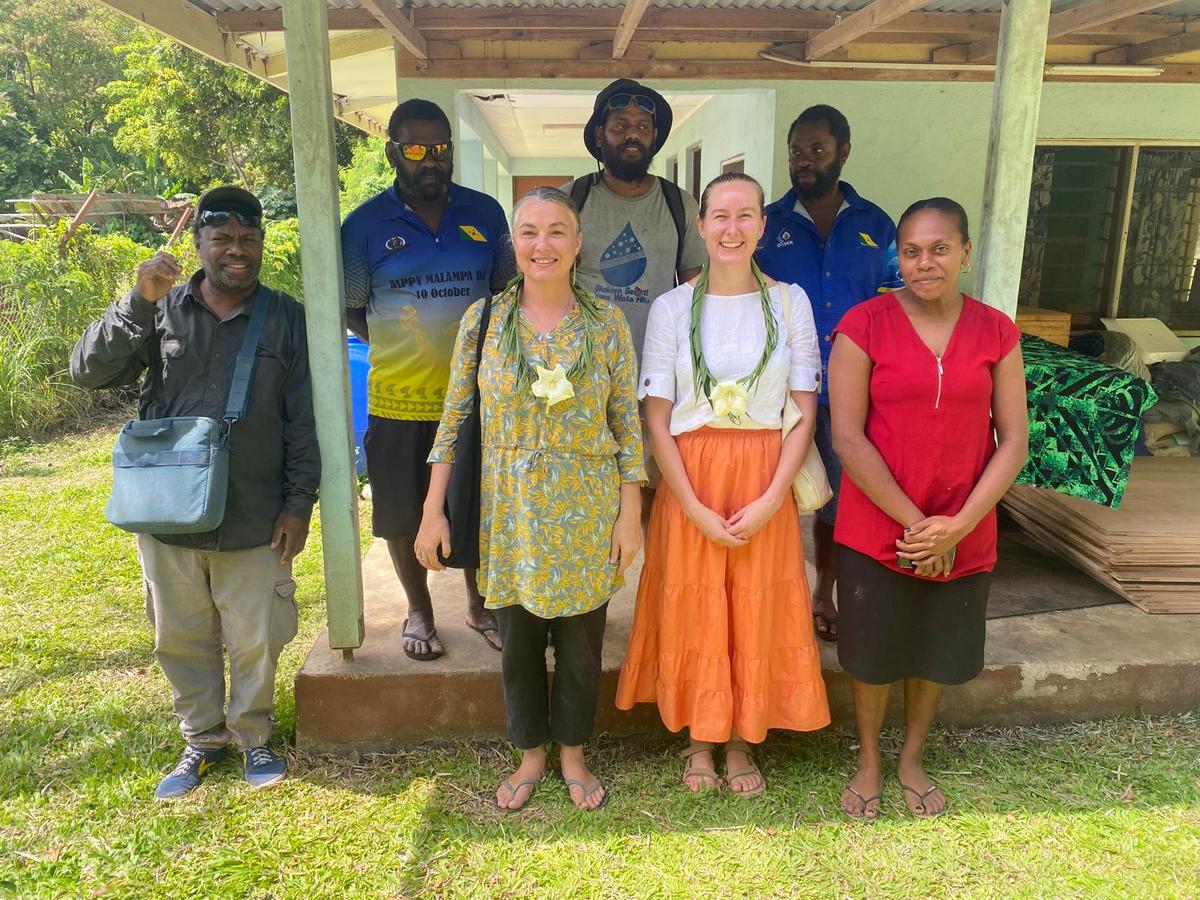
Together with Vanuatu’s Department of Water Resources, we have placed VSA volunteer Tamara Clarke in Lakatoro. She’s one of the very few water engineers to be based in Malampa in many years. Creating long term, sustainable change takes a long time with sustained partnerships.
“Where the journey is hard, the reward is often deeper”
Lakatoro’s water challenges are complex, but they are not impossible to solve. Right now, a broken pump and unreliable solar power mean the town’s reservoir cannot be consistently refilled. Even when the system is working at its best, there is not enough groundwater to meet demand. But local knowledge holds the key.
Staff at the Department of Water Resources have identified a nearby freshwater spring, Moru, as a way to supplement supply.
“Designing the Moru Spring Box has been pending for a while,” says Water Supervisor at the Department of Water Resources, Haines Dini. “We simply did not have access to the technical support we needed.”
This is where VSA volunteer Tamara Clarke is making a difference. Previously a Water Engineer at WSP in New Zealand, Tamara’s skills are vital to training local staff, creating a water system that can meet the region’s demand. It will also help to progress Vanuatu’s National Water Strategy 2018-2030 which embeds Sustainable Development Goal 6: to ensure availability and sustainable management of water and sanitation for all.
As the first water engineer based in Malampa in many years, Tamara is working side by side with local teams. She is assessing water systems throughout the province, upgrading Lakatoro’s urban supply, and helping turn plans into reality. But the impact of this work goes far beyond pipes and pumps.
As Haines says, Tamara is helping build something even more powerful: local capability: “Since joining our team Tamara has completed an engineering assessment of Lakatoro’s urban water system, including designing a Spring Box to supply water from the local Moru spring to supplement the pump station to Lakatoro. She is also designing water gravity systems for rural areas in Malampa and providing training to members of local community water boards.”
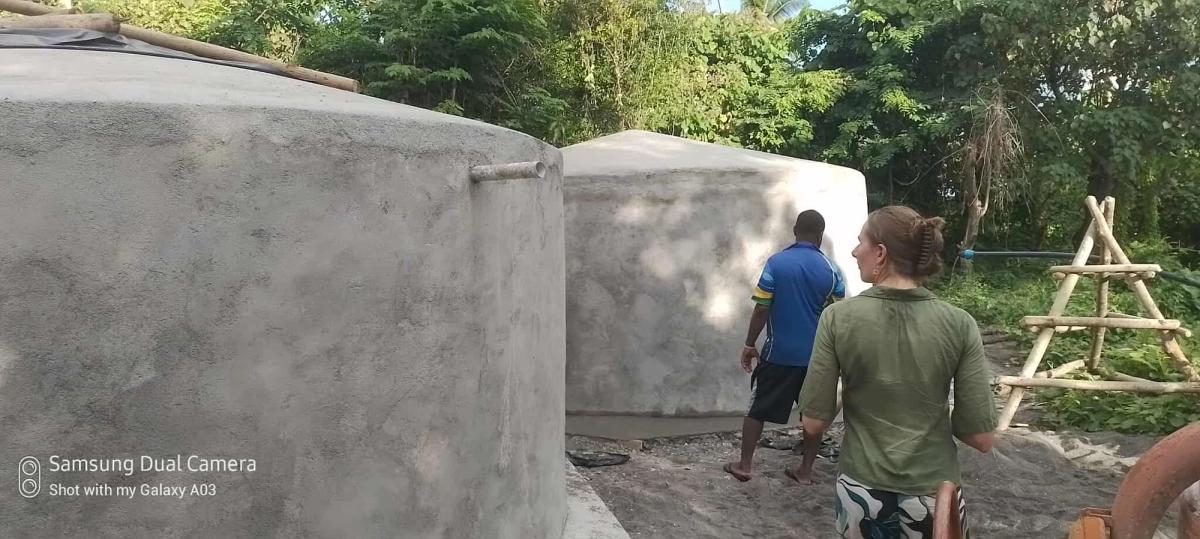
Tamara during a site inspection at Unua.
Sustainable change does not come from outside. It grows from within communities when people have the skills, confidence, and support to lead it themselves.
Some recent examples of Tamara’s work to build this sort of long-term, local capability include:
- Evidence-based decision making: By developing a hydraulic model of Lakatoro’s water supply system, local staff can model different future water scenarios and identify the efficacy of various interventions.
- Optimising staff time and resources: Field staff have been trained in how to use an app-based tool that documents and records job information in real time on their mobile phones. This reduces the amount of time they spend on administrative tasks at their desks, so they are where they’re needed most: maintaining the water system.
- Investing in professional development of local staff: Supporting the development of an online training portal (led by Engineers Without Borders New Zealand) that provides learning modules for provincial staff of the Department of Water Resources. Increasing local knowledge and expertise reduces reliance on limited resources at the national office in Port Vila.
- Upskilling locals: Training volunteer members of community water management committees in what low-cost actions their community could take to improve local water quality and conservation as well as teaching school children about gravity-fed water systems.
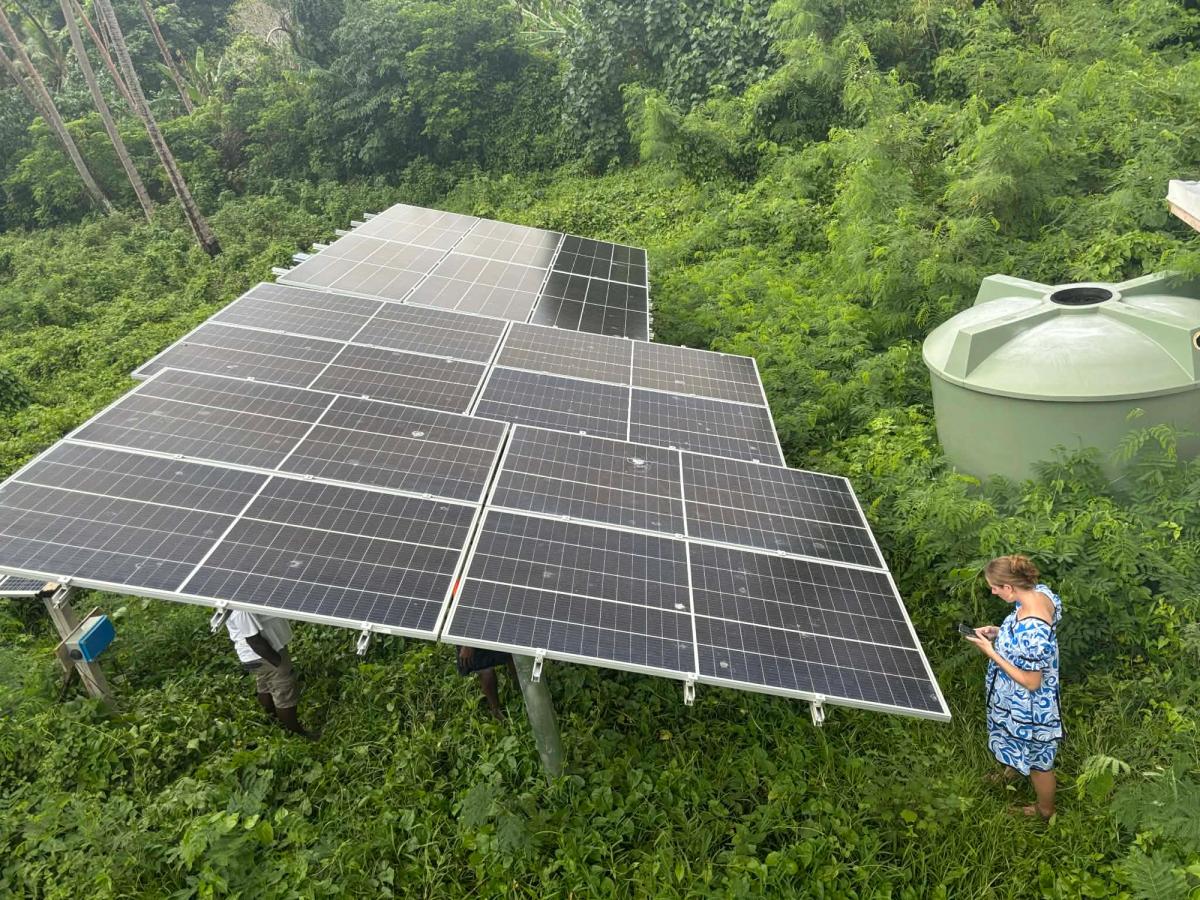
Volunteers like Tamara are supporting critical upgrades in infrastructure, but the most valuable investment of all is in the people.
By building local, community-based knowledge and capability in professional staff at the Department of Water Resources, Tamara’s work is a long-term investment in Vanuatu’s water future.