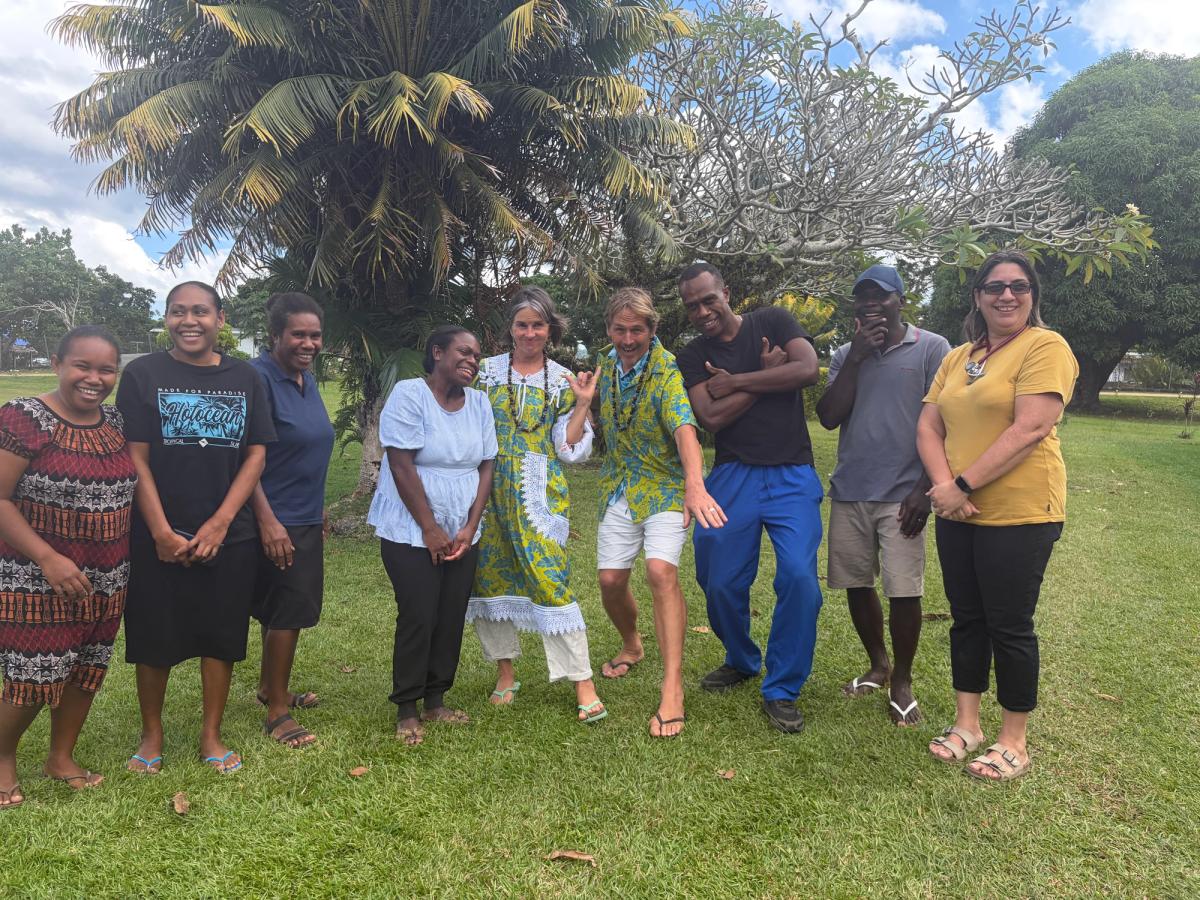
"The hardest part is taking the leap" - Mick's volunteer journey in Vanuatu
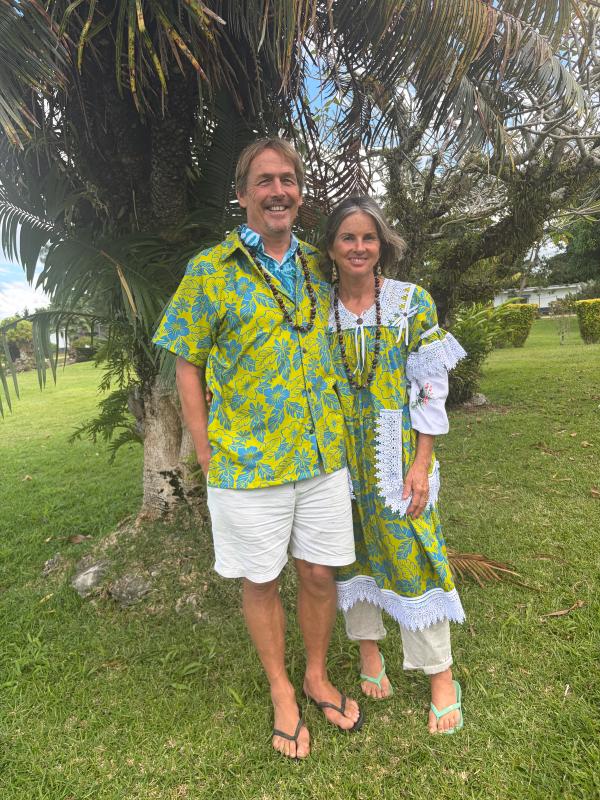
After more than 26 years living and working in New Zealand, emergency medicine specialist and VSA volunteer Mick Killeen is currently spending three months in Ireland where he continues to care for patients while reconnecting with his family roots. Looking back on his career, however, one experience stands out. His placement through Volunteer Service Abroad Te Tūao Tāwāhi (VSA) as a Senior Medical Officer Emergency Medicine in Vanuatu fulfilled a long-held ambition to volunteer overseas while reinforcing the value of partnership, shared learning and local leadership. “It was always in my mind,” he says. “Going out and helping people is something that many people in the medical field want to do.”
This ambition stayed with him throughout his many years of training and experience as an emergency doctor. When the opportunity to take a professional sabbatical arose, Mick searched for volunteer opportunities and soon found himself travelling to Vanuatu to volunteer at the National Provincial Hospital in Luganville. From the moment he arrived, he was struck by both the beauty of Luganville and the warmth of the people. “My memory of Vanuatu is just people smiling at me,” he recalls. “Everywhere you look, you just see smiles.”
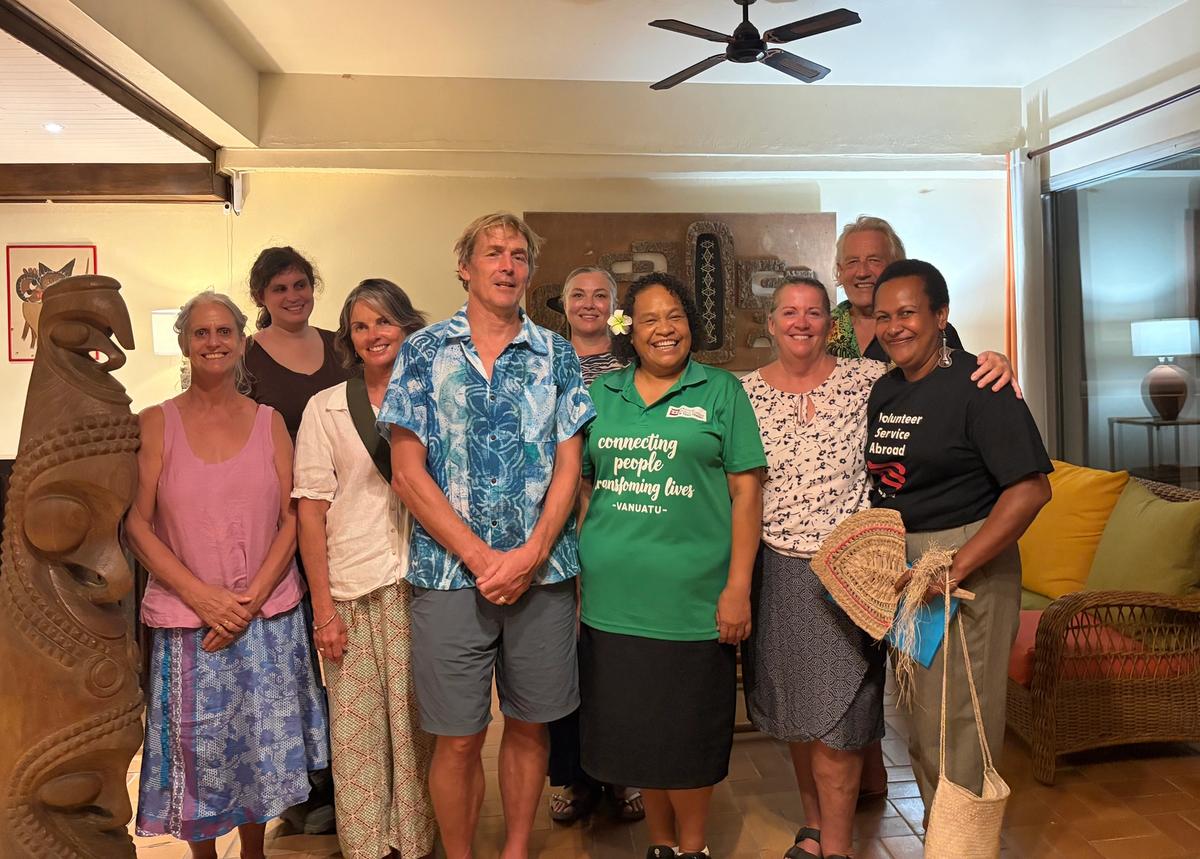
Working alongside the team at National Provincial Hospital, he quickly developed a deep respect for the dedication and professionalism of his ni-Vanuatu colleagues. “They’re intelligent and very dedicated,” he says. “They do such a great job, and they’re all very humble with it.” Despite the demands of working in a busy emergency department, he was continually impressed by their commitment to providing the best possible care for their patients.
Rather than arriving with the intention of changing the way things were done, he focused on working alongside local doctors and nurses, sharing ideas where his experience could be useful while recognising the knowledge already within the team. “I was very aware that you can’t go over and tell people how to do a job they’ve been doing for so long,” Mick says. “Being able to work alongside the nurses and doctors taught me a lot.”
One area where he was able to contribute was point-of-care ultrasound. In a setting where access to diagnostic tools can be limited, introducing and teaching the use of an ultrasound machine created new opportunities to support clinical decision-making. Mick says that they were able to bring an ultrasound machine and teach the staff how to use it. “If you have an ultrasound machine, suddenly you can diagnose things and do things that you couldn’t do otherwise.”
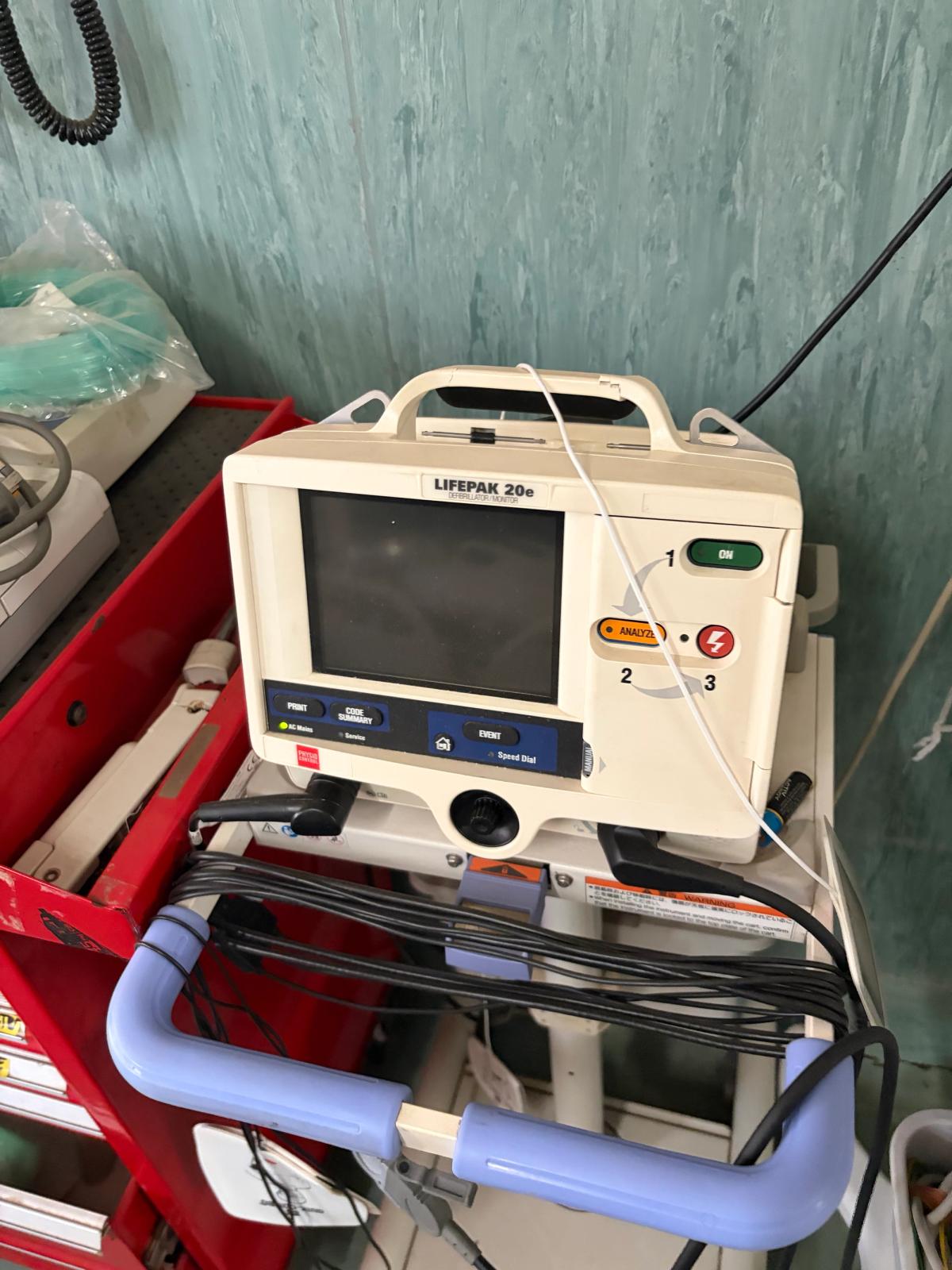
Medical equipment used at the National Provincial Hospital.
Watching local colleagues develop confidence using the technology became one of the highlights of his placement, particularly seeing one doctor become highly skilled over the three months they worked together. Alongside clinical work, he also shared practical ideas that helped support the day-to-day running of the emergency department, including patient tracking and documentation systems. These were not about replacing existing ways of working, but about building on them together. For Mick, the placement was just as much about learning as it was about contributing. Living in the local community allowed him to experience everyday life beyond the hospital, while working closely with patients reinforced the importance of language and culture in healthcare. While some ni-Vanuatu people can speak English, Mick reflects on the importance of language in the healthcare setting. “In their time of distress and emergency, they don’t want to speak English,” he says. “They want to speak Bislama and they want to be cared for in the language that they’re comfortable with.” Learning enough Bislama to communicate with patients became an important way of building trust, while his colleagues generously supported him whenever translation was needed.
Reflecting on his placement, Mick believes one of the greatest lessons came from the people themselves. “They have this internal joy,” he says. “This happiness without resources, without wealth. They could still be happier than us.” It was a perspective that stayed with him after returning home, along with a deeper appreciation for Pacific cultures and communities. When asked about his overall volunteer experience, he says “it has reinforced the things that I hold important. I have a deeper understanding and appreciation for Pacific culture now.”

Mick also hopes that the relationships built during his placement continue well beyond his time in Vanuatu. “I’d love to see that we could send doctors to go over there and learn,” he says. “There would be a mutual learning and rewarding experience for both the doctors going over and the doctors already there.” For medical professionals considering volunteering overseas, his advice is simple. “The hardest part is taking the leap. Once you take the leap, everything else falls into place.” His experience reflects VSA’s belief that volunteering is built on partnership rather than prescription. By working alongside local colleagues, sharing knowledge when invited and remaining open to learning in return, he discovered that the greatest impact is often mutual. As Mick puts it, “I was there to complete my goal as much as I was there to learn.”